
MY LOCAL INFORMATION
Welcome to Seville, one of Europe’s most beautiful cities, where you can enjoy centuries of history, a blend of cultures and a lovely climate.
Introduction to the city
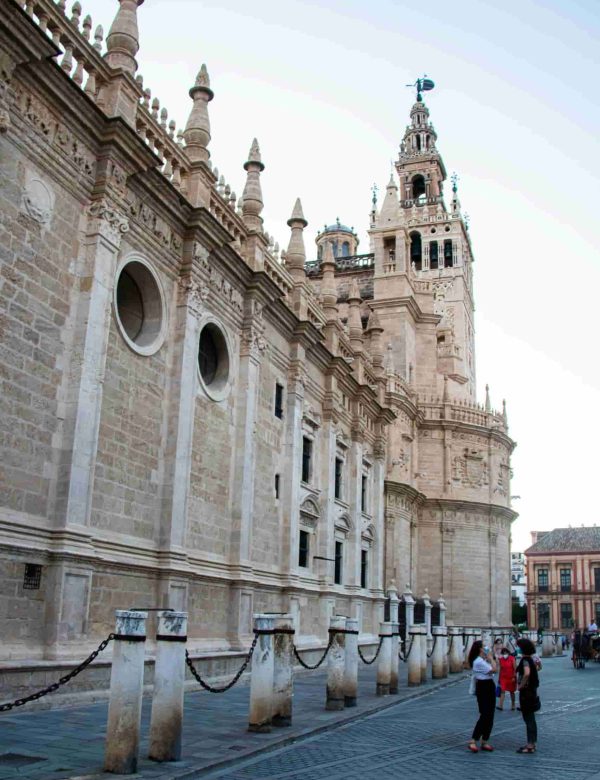
Seville, located along the Guadalquivir River, has a history that spans millennia. Founded as Hispalis by the Romans, it was an important administrative and commercial center. Remains from this period include the aqueduct and the nearby city of Italica, birthplace of the emperors Trajan and Hadrian. During the Visigothic rule, Seville was consolidated as a religious center, but it was with the arrival of the Muslims in 711 when it reached an unprecedented splendor under the name of Ishbiliya.
During the Caliphate and later under the Taifa kingdoms, Seville was noted for its flourishing commerce and vibrant cultural life. Monuments such as the Giralda and the Alcázar bear witness to this Islamic legacy. In 1248, the city was conquered by Ferdinand III of Castile, who transformed Seville into one of the main cities of the Christian kingdom. From the 16th century, with the discovery of America, Seville became the epicenter of transatlantic trade, centralizing the exchange of goods and wealth in its famous Archivo de Indias. The accumulated wealth allowed the construction of great monuments such as the Cathedral of Seville, one of the largest in the world.
This golden period is also reflected in its streets, squares and palaces, such as the Archbishop’s Palace, which houses important works by artists such as Murillo et Zurbarán.
In the centuries that followed, Seville underwent a transformation that left its mark on its urban planning and culture. During the 19th century, the city experienced an industrial renewal that coexisted with the preservation of its historical heritage, giving rise to a unique blend of tradition and modernity. The Ibero-American Exposition of 1929 was a milestone, leaving as a legacy emblematic spaces such as the Plaza de España and María Luisa Park, which have become symbols of the city.
Today, Seville is a symbol of Andalusian culture, with its characteristic light, flamenco music and rich gastronomy. Emblematic places such as Plaza del Salvador, with its terraces and taverns, invite you to enjoy a cool beer and traditional tapas, surrounded by the history and charm of a city that majestically combines its past with a vibrant present.
Main monuments
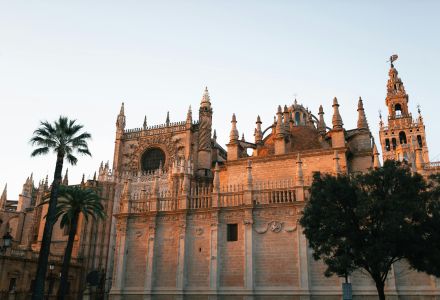
Sevilla Cathedral
The Cathedral of Seville, known as Santa María de la Sede, is the largest Gothic cathedral in the world and a UNESCO World Heritage Site. Built between the 15th and 16th centuries on the site of the former Almohad mosque, it stands out for its grandeur, its main altarpiece, and the iconic Giralda, which combines Arab and Renaissance elements. It is a cultural and historical symbol of Seville.
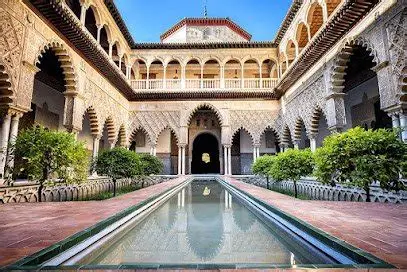
Reales Alcázares
The Real Alcazar of Seville, declared a World Heritage Site by UNESCO, is the oldest royal palace in use in Europe, a true testament to the history and cultural richness of Spain. Originally built as a fortress in the 10th century by Muslim rulers, the Alcazar has evolved over the centuries, merging architectural styles such as Islamic, Mudejar, Gothic, Renaissance and Baroque.
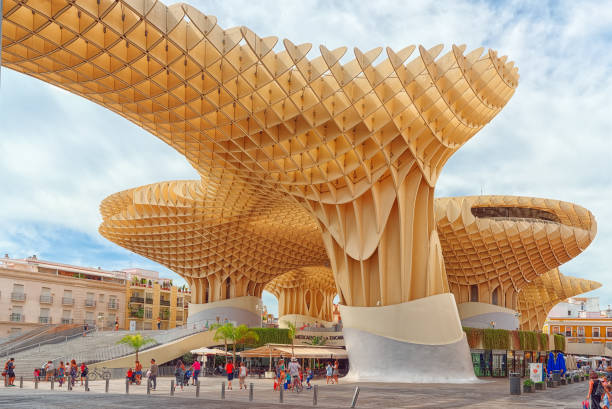
Metropol Parasol (Las Setas)
Designed by architect Jürgen Mayer, these imposing “mushrooms” offer a unique experience for visitors. Stroll along its elevated observation deck and enjoy unparalleled panoramic views of Seville’s historic center, while marveling at its avant-garde design. Inside, you will find the Antiquarium, an archaeological museum that connects the present with the city’s past.
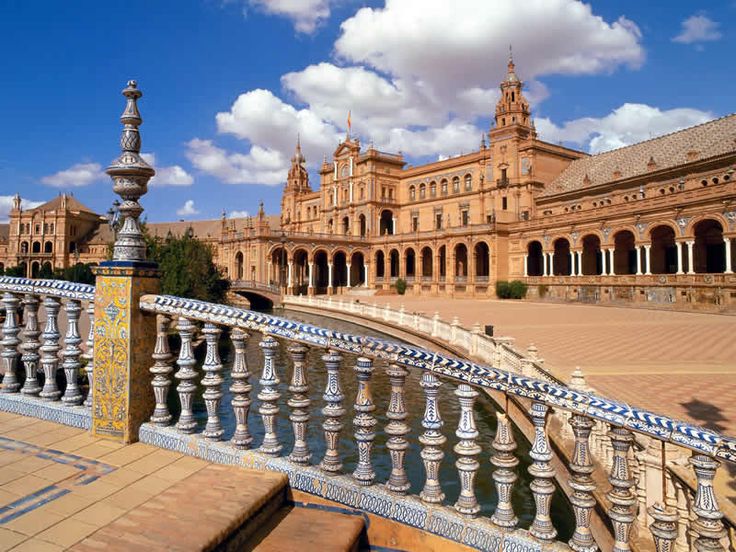
Plaza de España
Architectural ensemble set in the Maria Luisa Park. This unique setting has been chosen as a film set for such famous movies as Lawrence of Arabia and Star Wars: Episode II. Attack of the Clones. It was designed as the main building for the Ibero-American Exposition of 1929. It has a semi-elliptical shape, symbolizing Spain’s embrace of its former American territories, and faces the Guadalquivir River as the way forward to America.
Seville through the four seasons
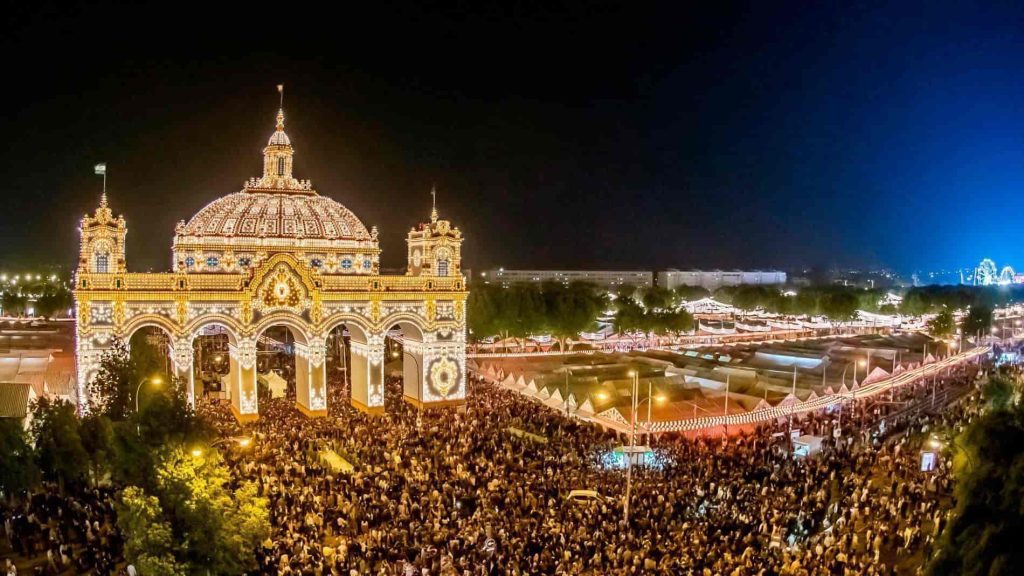
- Average temperature: 25º
- Big Events: Holy Week and April Fair
This time in Seville is synonymous with splendor, passion and mystery. Live with intensity its Holy Week. Contemplate the richly adorned religious images that walk the streets to the rhythm of solemn music.
The other big event is the April Fair. It is the fair of all fairs, which begins
on the night of the “alumbrao”, when the 250,000 light bulbs of the
fairgrounds are lit. There is dancing, singing and tasting fried fish in the “casetas”.
Both Holy Week and the April Fair have been declared a Festival of International Tourist Interest.
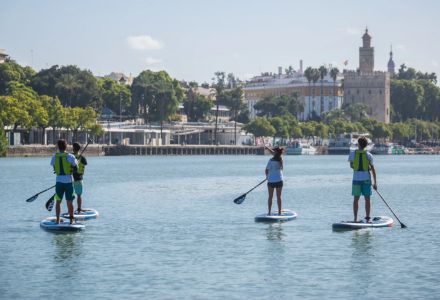
- Average temperature: 35º
- Big Events: "Velá de Santa Ana"
During the summer months, Seville is synonymous with sun and heat, but you can enjoy evening strolls through its historic streets or have a beer and a gazpacho to cool off in one of its many terraces.
In the evenings, the Real Alcázar of Seville often hosts live music under the stars. If you are a movie buff, take advantage of the city’s summer cinema program.
For sports enthusiasts, the Guadalquivir River offers plenty of opportunities, from kayaking and paddleboarding to rowing. These activities provide a refreshing way to explore the city’s scenic waterfront while staying active during the warm summer days.
- Average temperature: 15º
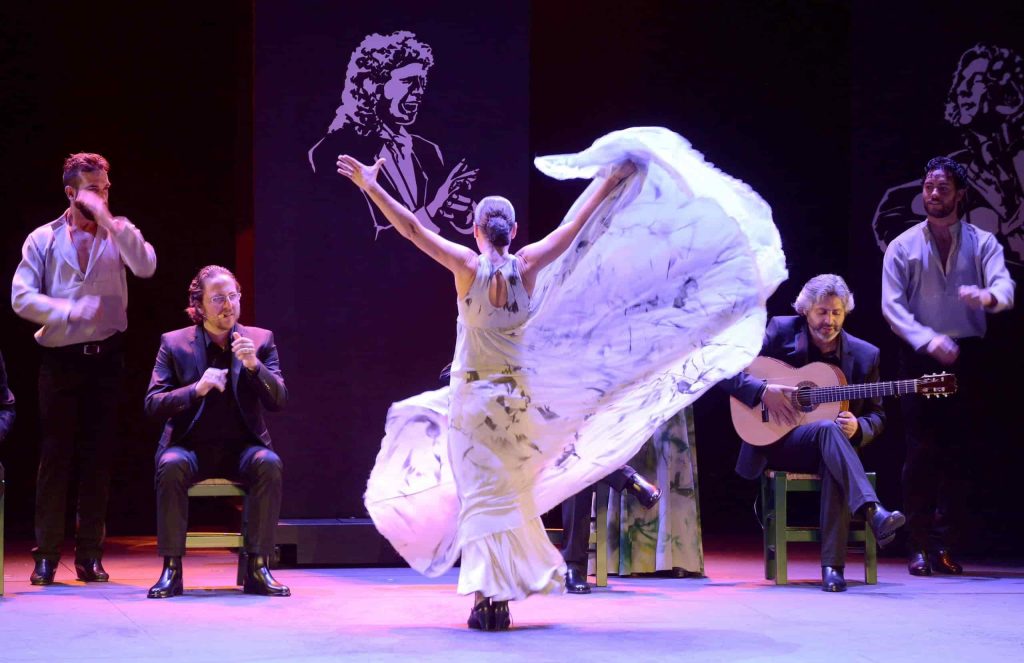
- Big Events: Bienal de Flamenco
In autumn, Seville offers a mild and pleasant climate, with temperatures ranging between 15 and 25 degrees, making it a perfect time to enjoy its cultural events. In October, the Seville Performing Arts Festival is held, where music, performance and dance shows fill the halls and transform the city into a cultural festival.
In addition, every two years, the magic of flamenco comes to Seville with the Bienal de Flamenco, a unique event that brings together the best international artists of this art, declared Intangible Heritage of Humanity by UNESCO.
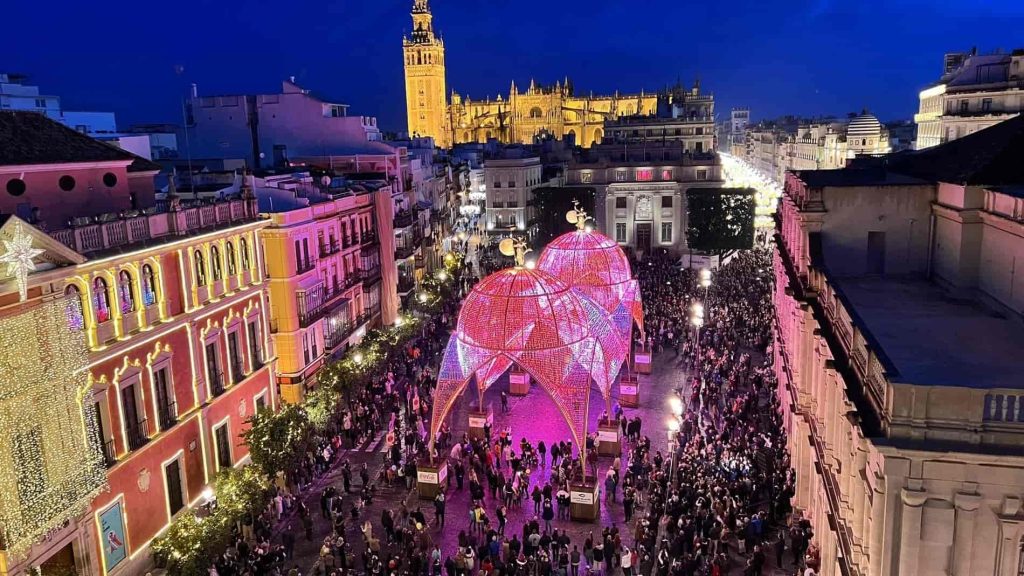
- Average temperature: 10º
- Big Events: Christmas lights
In winter, Seville enjoys a mild climate with temperatures around 10 to 16 degrees, making it an ideal destination for those looking to escape the extreme cold of other regions. At Christmas, don’t miss the Nativity Fair, which is set up next to the Cathedral, or the magical atmosphere of the light show in the Plaza de San Francisco. In addition, the Christmas markets scattered throughout the city offer handicrafts and typical gifts.
In February, the mild weather is still perfect for participating in the Seville marathon, one of the flattest in Europe, which runs through the most emblematic places of the city, allowing you to enjoy the urban landscape while doing sport.
Museums
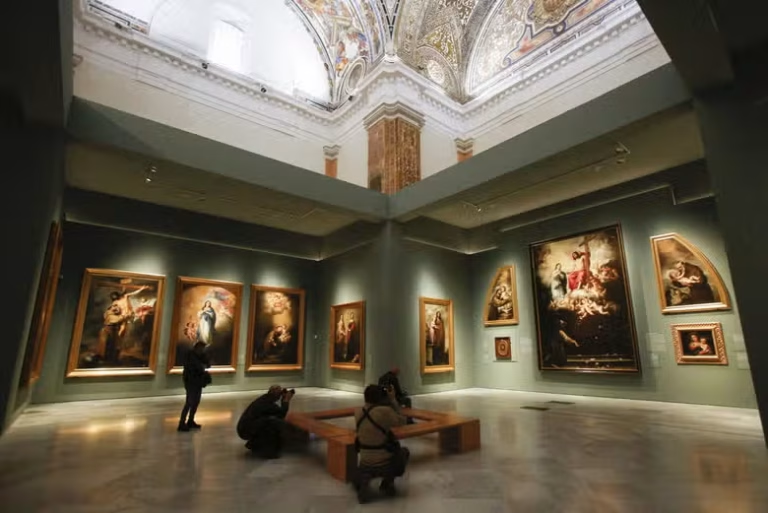
Museo Bellas Artes
The Museo de Bellas Artes de Sevilla, located in a former 17th-century convent, is a key cultural landmark. It showcases masterpieces by artists like Murillo, Valdés Leal et Zurbarán, offering a rich glimpse into Spain’s artistic heritage.
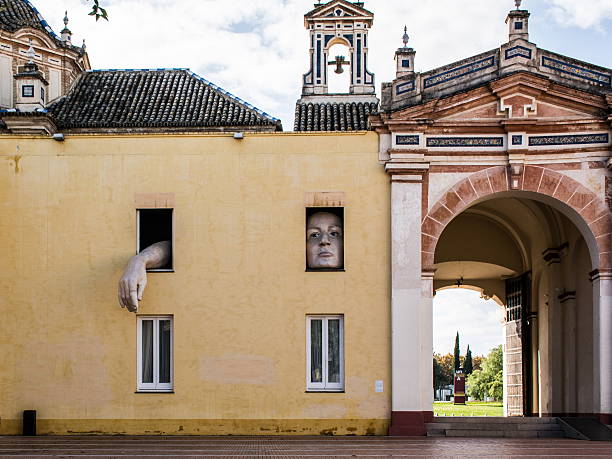
Centro Andaluz de Arte Contemporáneo
Avenida Américo Vespucio, 2, 41092, Seville
The Centro Andaluz de Arte Contemporáneo (CAAC), located in the historic Monasterio de la Cartuja, is a hub for modern art in Sevilla. It features diverse exhibitions and installations, blending contemporary creativity with a rich historical setting.
Food
Seville is one of the essential destinations in Spain to enjoy tapas, a true symbol of the national gastronomy. An excellent way to experience the character and hospitality of the Sevillians is by visiting their bars.
To experience the essence of Seville, there is nothing better than visiting bodegas and taverns where you can savor these delicacies accompanied by barrel-aged wines, such as fino or manzanilla, perfect for an aperitif.
We recommend:





Getaways from Sevilla
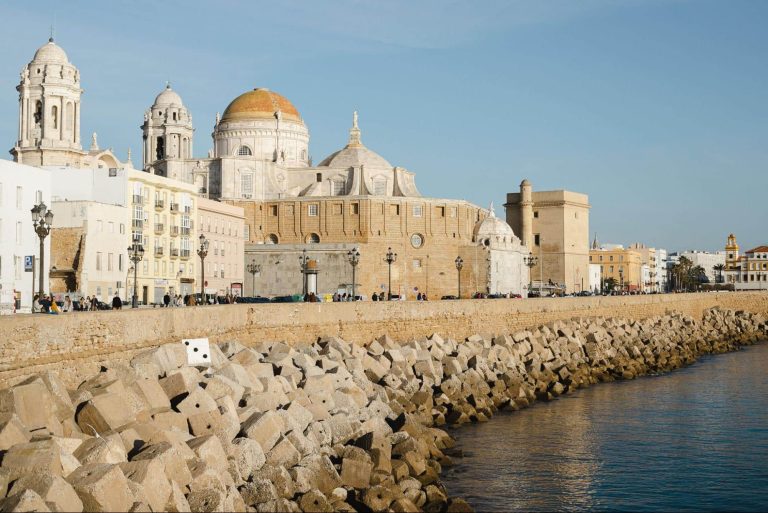
Cádiz
- 120 km from Sevilla
Cádiz, known as the “silver cup”, is one of the oldest cities in Western Europe and a must-visit destination for those seeking history, culture, and coastal charm.
Córdoba
- 130 km from Sevilla
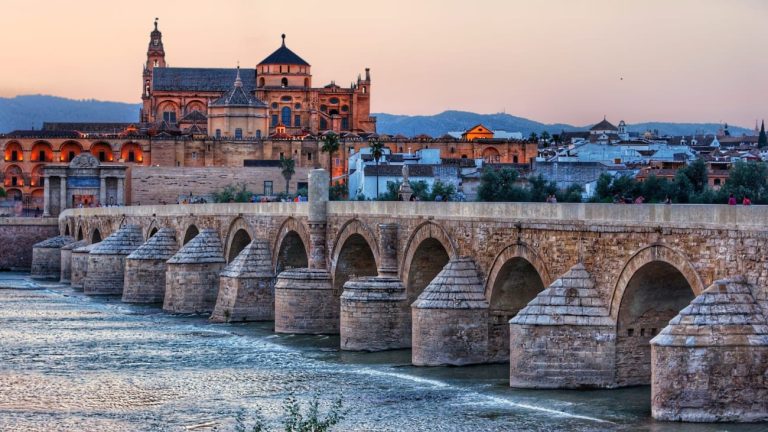
Córdoba, a city that perfectly blends Roman, Islamic, and Christian heritage, is a destination filled with history and beauty. Its most famous gem is the Mezquita-Catedral, a unique monument in the world where the splendour of Islamic architecture is intertwined with later Renaissance modifications
Málaga
- 220 km from Sevilla
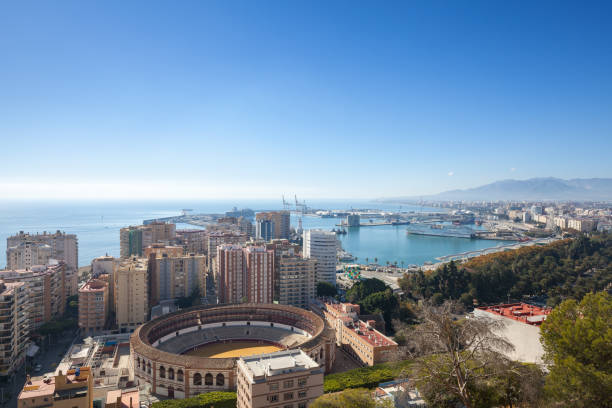
Málaga, located on the sunny Costa del Sol, is a city that beautifully blends its historical heritage with a vibrant modern atmosphere. Its old town is a maze of narrow streets just waiting to be explored, home to gems such as the Cathedral of the Incarnation, an impressive example of Renaissance architecture, and the Alcazaba, a Moorish fortress offering panoramic views of the city and the sea
Grenade
- 250 km from Sevilla
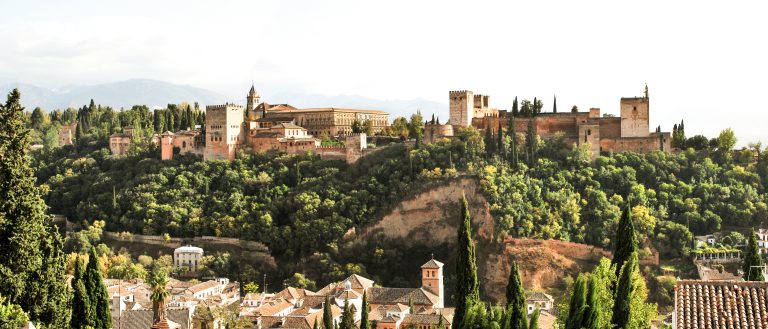
Grenade is a city that captivates from the very first moment. Its unique blend of history, culture, and natural beauty makes it an essential destination. The Alhambra, its most iconic monument, is an architectural gem that reflects the greatness of the Nasrid Kingdom, with intricate tilework, gardens, and stunning views of the city and the mountains.